
DIY Leather Care Homemade Solutions
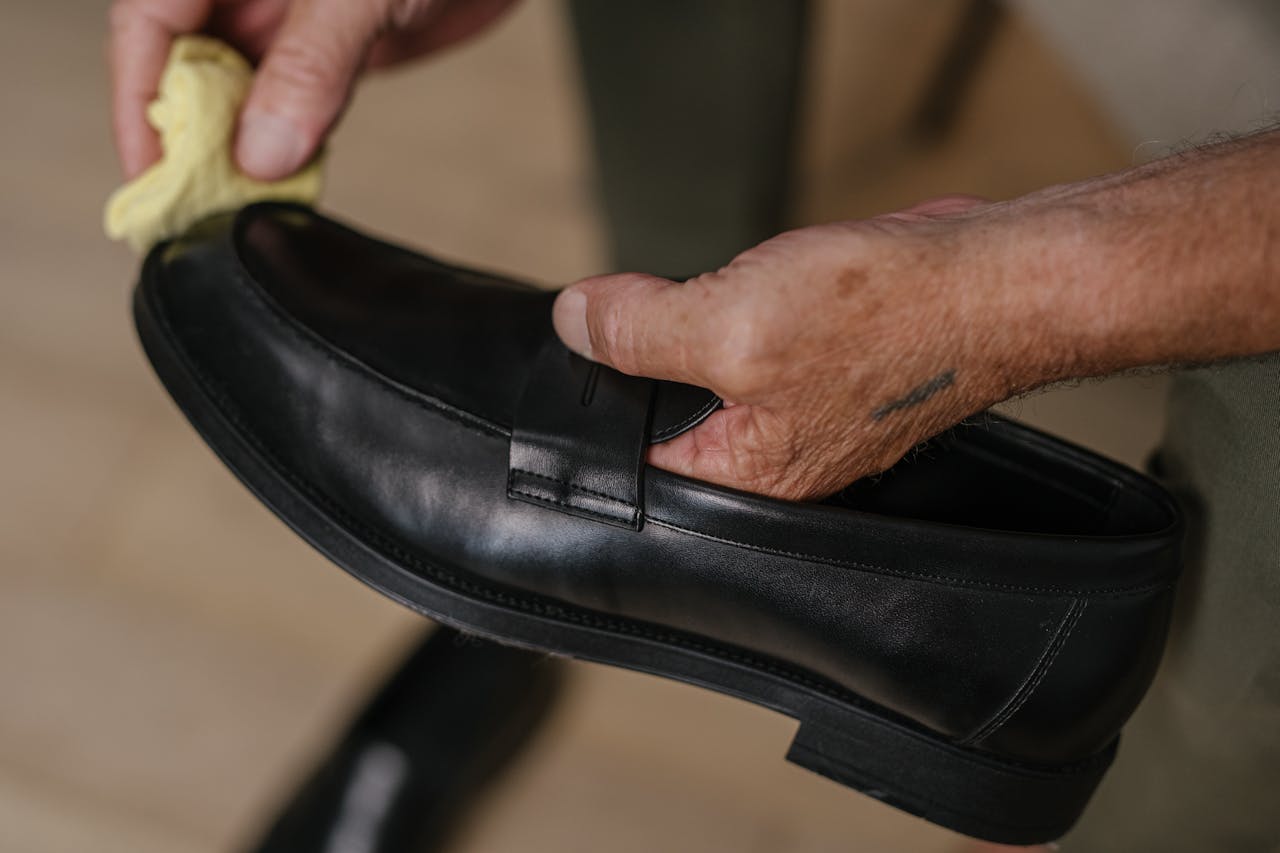
Leather, with its timeless appeal and durability, is a prized material for many items, including furniture, clothing, and accessories. However, without proper care, leather can lose its luster and suppleness over time, succumbing to the effects of exposure to sunlight, moisture, and dirt.
While commercial leather care products are readily available, they often come with a hefty price tag and may contain harsh chemicals that can be harmful to both the environment and the leather itself.
In this article, we’ll explore the world of DIY leather care solutions, offering cost-effective and eco-friendly alternatives for keeping your leather products well-maintained. But before we dive into homemade recipes and techniques, let’s first understand why leather care is essential.
Understanding Leather Care
Leather, a natural material derived from animal hides, requires regular maintenance to preserve its beauty and integrity. Exposure to sunlight can cause leather to fade and become brittle, while moisture can lead to mold and mildew growth. Dirt and grime can also accumulate on the surface, dulling its appearance and potentially causing damage over time.
Commercial leather care products, while convenient, often contain synthetic chemicals that may strip the leather of its natural oils and cause it to dry out and crack. Additionally, these products can be expensive and contribute to environmental pollution during manufacturing and disposal.
Benefits of Homemade Cleaners
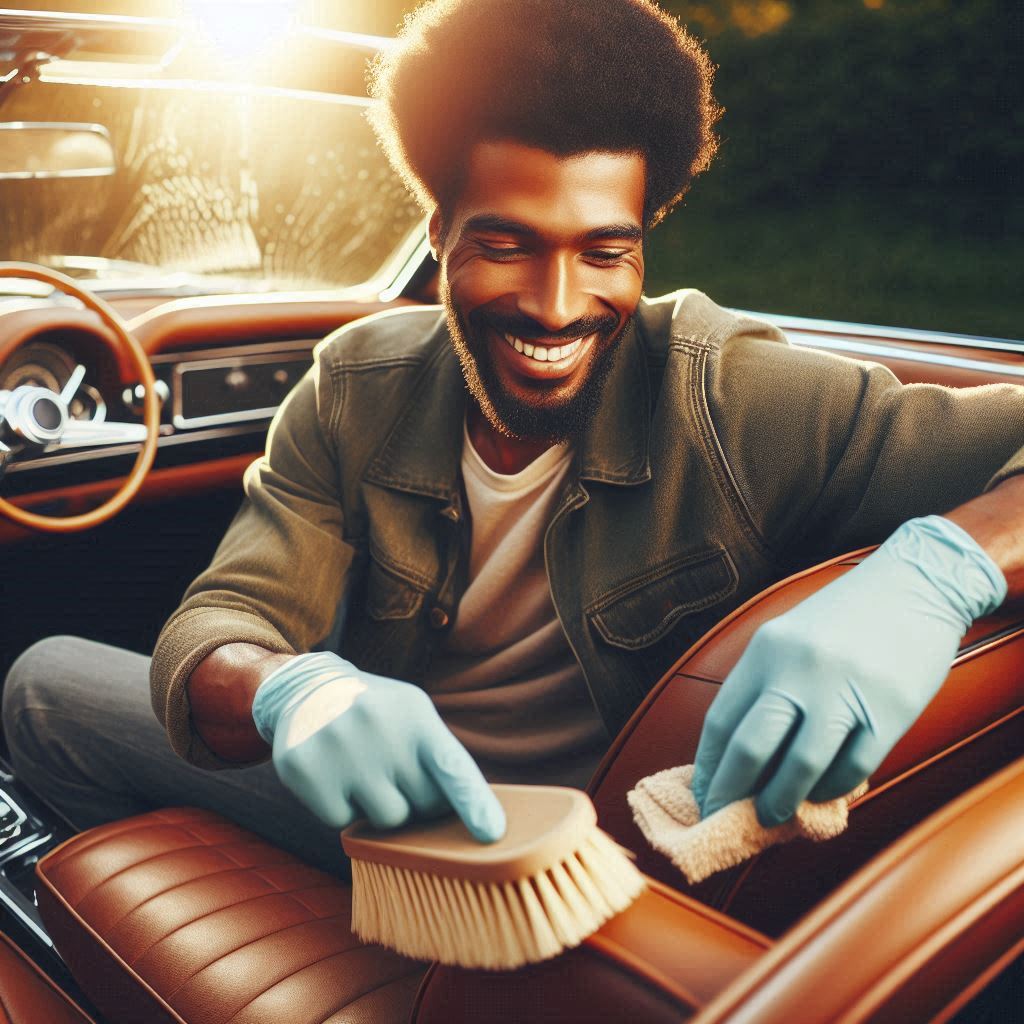
One of the primary advantages of DIY leather care solutions is the use of natural ingredients, which are not only gentle on the leather but also environmentally friendly. Homemade cleaners typically utilize ingredients such as vinegar, lemon juice, and baking soda, which are readily available in most households and are safer alternatives to harsh chemicals.
Furthermore, homemade cleaners are cost-effective, saving you money in the long run compared to commercial products. By making your own leather care solutions, you can customize them to suit your specific needs and preferences, ensuring that your leather items receive the best possible care without breaking the bank.
Homemade Leather Cleaning Solutions
When it comes to cleaning leather, gentle yet effective solutions are key to removing dirt and grime without damaging the material. Here are a few homemade leather cleaning solutions that you can easily prepare at home:
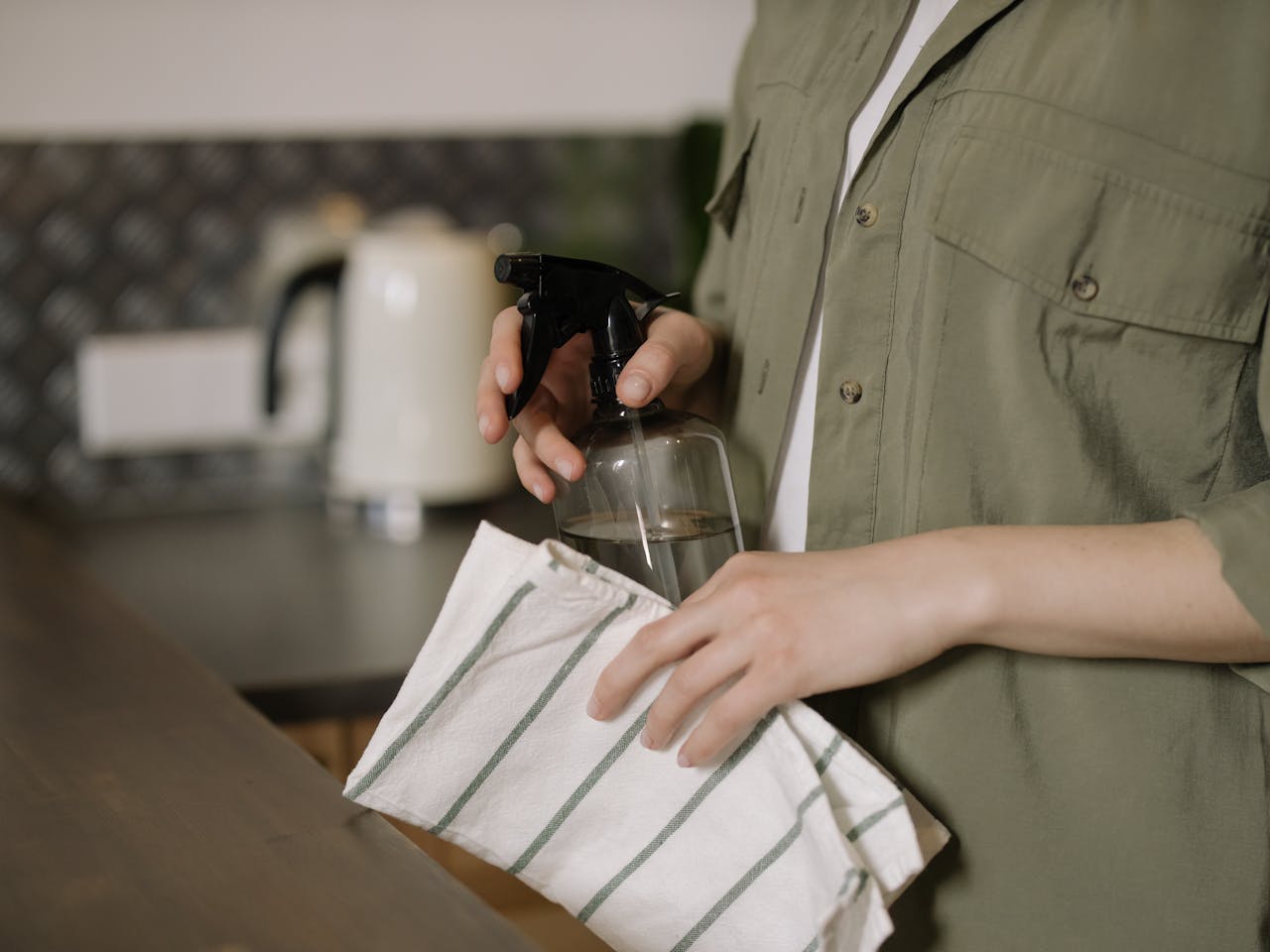
- Vinegar Solution: Mix equal parts vinegar and water in a spray bottle. Spray the solution onto a clean cloth and gently wipe the leather surface. Vinegar helps to remove dirt and grease while restoring the leather’s natural shine.
- Lemon Juice and Cream of Tartar Paste: Mix lemon juice and cream of tartar to form a paste. Apply the paste to the stained area and let it sit for a few minutes before wiping it off with a damp cloth. Lemon juice acts as a natural cleaner and brightener, while cream of tartar helps to lift stains.
- Baking Soda Solution: Make a paste by mixing baking soda with water. Apply the paste to the stained area and gently rub it in with a soft cloth. Baking soda absorbs odors and helps to lift stains without damaging the leather.
Homemade Leather Conditioning Solutions
In addition to cleaning, leather also requires regular conditioning to keep it soft, supple, and moisturized. Here are a few homemade leather conditioning solutions that you can try:
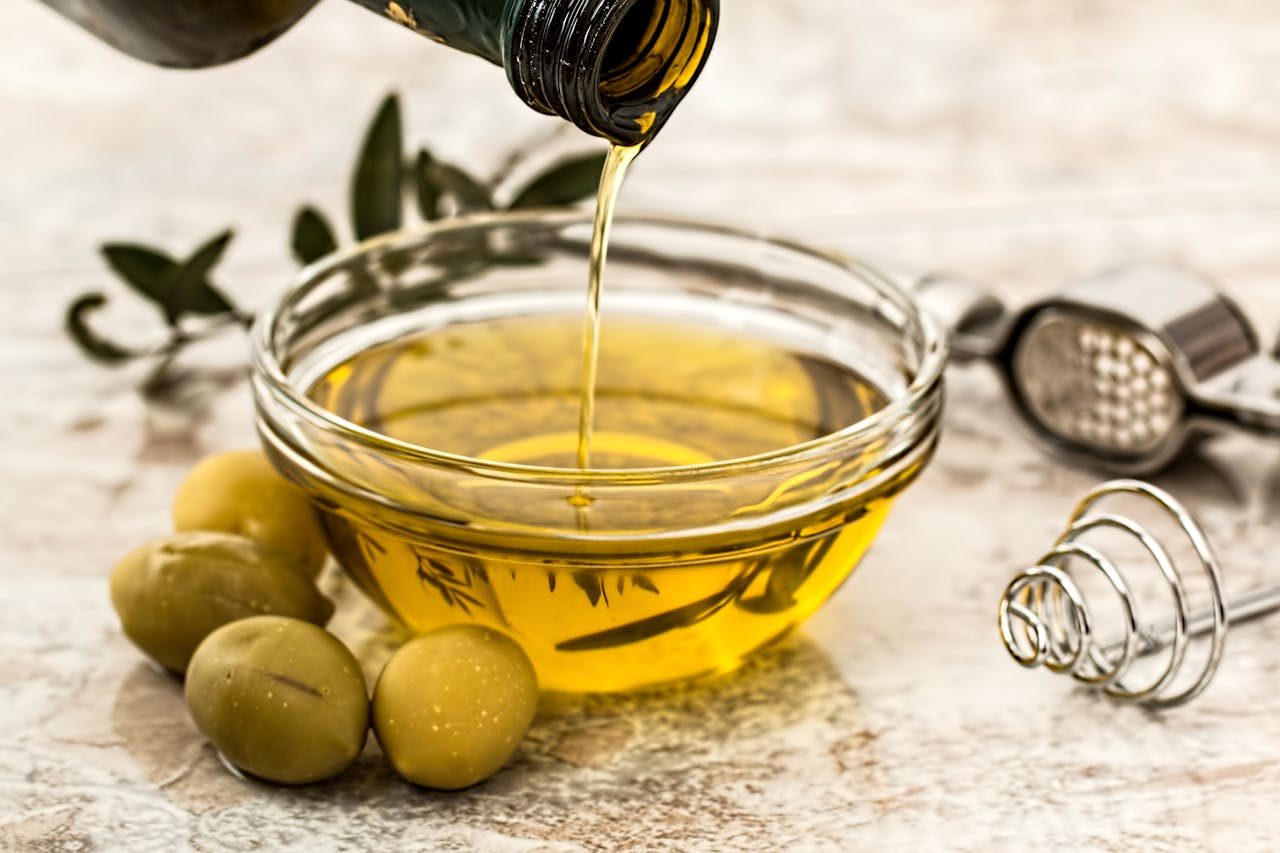
- Olive Oil and Vinegar Mixture: Mix equal parts olive oil and vinegar in a bowl. Apply the mixture to the leather surface using a soft cloth, rubbing it in gently in circular motions. Olive oil moisturizes the leather, while vinegar helps to restore its pH balance and remove any lingering odors.
- Coconut Oil: Apply coconut oil directly to the leather surface, using a soft cloth to massage it in gently. Coconut oil penetrates deep into the leather, nourishing it from within and leaving it soft and hydrated.
- Beeswax and Almond Oil Balm: Melt beeswax and almond oil together in a double boiler until combined. Allow the mixture to cool slightly before applying it to the leather surface with a clean cloth. Beeswax creates a protective barrier on the leather, while almond oil moisturizes and conditions.
DIY Leather Stain Removal
Despite our best efforts, stains can sometimes mar the beauty of leather items. However, fret not, as there are several effective homemade stain removal solutions at your disposal:
- Rubbing Alcohol Solution: This versatile cleaner can tackle a variety of stains. Simply dampen a clean cloth with rubbing alcohol and gently dab the stained area. Rubbing alcohol works to break down the stain and lift it from the leather surface without causing any damage.
- Cornstarch Paste: For grease and oil stains, cornstarch can work wonders. Mix cornstarch with water to form a paste, then apply it to the stained area. Allow the paste to sit for several hours to absorb the stain before brushing it off with a soft brush. Cornstarch’s absorbent properties make it effective in lifting and removing stubborn stains.
- Glycerin and Egg White Mixture: This natural combination is particularly useful for lifting and loosening stains. Mix glycerin and egg white together in a bowl, then apply the mixture to the stained area. Let it sit for a few hours to allow the glycerin to penetrate and loosen the stain, while the egg white acts as a natural emulsifier. Wipe off the mixture with a damp cloth to reveal a refreshed leather surface.
Tips for DIY Leather Care
Proper storage and maintenance practices are essential for preserving the beauty and lifespan of your leather items. Here are some indispensable tips to ensure your leather goods remain in optimal condition:
- Store Leather Items Properly: To prevent fading and drying out, store leather items in a cool, dry place away from direct sunlight. Exposure to sunlight can cause leather to lose its color and become brittle over time.
- Regular Cleaning and Conditioning: Keep your leather items looking their best by cleaning and conditioning them regularly. This helps to remove dirt and grime while moisturizing the leather to prevent cracking and deterioration. Use homemade solutions or commercially available leather care products for best results.
- Test Before Applying: Before applying any homemade solutions or new products to your leather items, it’s crucial to perform a patch test on a small, inconspicuous area. This ensures that the solution is compatible with your leather and won’t cause any damage or discoloration.
- Avoid Harsh Chemicals: Steer clear of harsh chemicals and abrasive cleaners when cleaning leather. These can strip away the leather’s natural oils, leaving it dry and prone to damage. Opt for gentle, natural cleaners to preserve the integrity of your leather items.
By following these tips and utilizing homemade solutions, you can effectively clean, condition, and maintain your leather items, ensuring they remain in pristine condition for years to come.
Eco-Friendly Leather Care: Benefits and Impact
Using homemade leather care solutions not only benefits your leather items but also the environment. By opting for natural ingredients and reducing reliance on commercial products, you can minimize your carbon footprint and contribute to a healthier planet. Homemade cleaners and conditioners are biodegradable and non-toxic, making them safe for both you and the environment.
Maintaining Leather Quality and Durability
DIY leather care solutions offer a cost-effective and eco-friendly alternative to commercial products, allowing you to maintain your leather items with natural ingredients and minimal environmental impact. By understanding the importance of regular leather care and incorporating homemade cleaners, conditioners, and stain removers into your routine, you can keep your leather products looking their best for years to come.