Preserving Precious Metals: The Science Behind Polishing
Preserving the beauty and value of precious metals is a timeless pursuit. Whether it’s a cherished family heirloom or a valuable piece of jewelry, the luster of precious metals can fade over time due to tarnish and corrosion.
In this article, we will delve into the science of polishing and explore how it contributes to the preservation of precious metals. Understanding the chemical processes involved is crucial for enthusiasts and caretakers of these valuable items.
The Basics of Precious Metals
Before we delve into the intricate details of the science behind polishing, it’s imperative to establish a solid foundation of understanding regarding precious metals. Gold, silver, platinum, and various other precious metals are revered not only for their rarity but also for their unparalleled beauty and intrinsic value. These metals, however, are not impervious to the inevitable effects of tarnish and corrosion.
Despite their enduring qualities, precious metals can fall victim to tarnish and corrosion, which can mar their aesthetic appeal and compromise their structural integrity. Tarnish, often manifesting as a dull discoloration on the metal surface, occurs when metals interact with elements in the environment, such as sulfur and oxygen. On the other hand, corrosion involves the gradual deterioration of the metal due to chemical reactions.
Understanding Tarnish and Corrosion
Tarnish and corrosion, while natural processes, pose significant threats to the timeless allure of precious metals. Tarnish, with its characteristic dull and discolored appearance, emerges when metals engage in chemical reactions with environmental elements like sulfur and oxygen. On the flip side, corrosion represents the more severe consequence, involving the deterioration of the metal’s structure due to ongoing chemical processes.
These processes can be expedited by exposure to environmental factors like moisture, air, and pollutants. As precious metals come into contact with these elements, they undergo chemical transformations that lead to the formation of tarnish and, in extreme cases, structural damage through corrosion.
The Role of Polishing in Preservation
In the battle against tarnish and corrosion, polishing emerges as a formidable ally. Regular polishing plays a pivotal role in preventing and mitigating the detrimental effects of tarnish and corrosion on precious metals.
This maintenance practice establishes a protective barrier on the metal surface, acting as a shield that inhibits the interaction between the metal and the elements in its environment. The significance of this goes beyond preserving the mere visual appeal of the metal; it actively contributes to extending the lifespan of these precious materials.
Chemical Processes in Polishing
To comprehend the intricate science behind polishing, it is essential to gain insight into the chemical processes at play. Polishing agents, such as compounds and solutions, assume a critical role in the removal of tarnish and the establishment of a protective layer on the metal surface. These agents often contain chemicals specifically chosen for their ability to react with tarnish, breaking it down and facilitating its removal.
For instance, silver polish typically incorporates compounds like thiourea or sulfuric compounds. These chemicals react with the silver sulfide tarnish layer, effectively turning it back into silver. Gold and platinum, being less susceptible to tarnish, often benefit from polishing agents that create a protective coating against corrosion, thus enhancing their resistance to environmental degradation.
The Science Behind Polishing Techniques
Polishing techniques span a spectrum of methods, including mechanical, chemical, and electrochemical approaches. Mechanical polishing involves abrasion, where a polishing agent is applied, and friction is employed to remove tarnish and refine the metal surface. In contrast, chemical and electrochemical methods leverage chemical reactions to either dissolve or convert tarnish into a protective layer.
Understanding the intricacies of these techniques empowers individuals to make informed decisions when selecting the most suitable method for their specific precious metal and preservation goals. Each technique holds its own merits, depending on the metal’s characteristics and the desired outcome of the polishing process.
Benefits of Regular Polishing
The advantages of regular polishing transcend the realm of aesthetics. Consistent maintenance through polishing offers enduring preservation benefits that go beyond the surface level. By establishing a protective barrier, regular polishing acts as a shield, safeguarding precious metals from the detrimental effects of moisture, air, and pollutants.
Consider the scenario of a silver family heirloom that has been diligently polished over the years compared to one left unattended. The difference is not only apparent in the visual appeal but extends to the structural integrity and overall longevity of the precious metal. Regular polishing becomes a testament to the commitment to preserving not just the external beauty but the enduring value of these cherished possessions.
DIY Polishing Tips: A Guide to Preserving Precious Metals
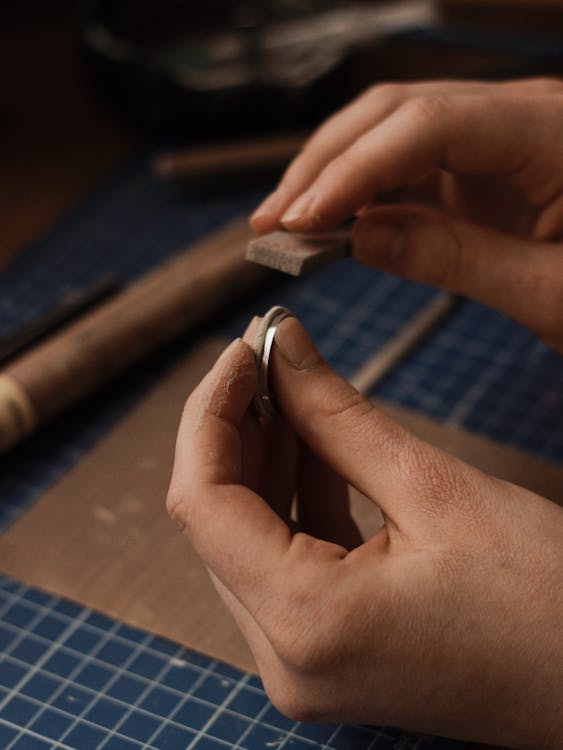
While professional polishing services are readily available, many enthusiasts find satisfaction and cost-effectiveness in taking on the task themselves. DIY polishing is a rewarding endeavor that allows individuals to actively contribute to the maintenance of the beauty and longevity of their precious metals. To embark on this journey successfully, it is crucial to adhere to proper techniques and employ suitable tools and materials.
Begin with a Clean, Dry Surface
Initiate your DIY polishing endeavor with a meticulous approach to cleanliness. Ensure the metal surface is free from dust, dirt, and any contaminants. Starting with a clean slate provides a foundation for effective polishing and prevents the inadvertent embedding of particles that could contribute to scratches during the process.
Choose Specialized Polishing Cloths or Pads
Selecting the right tools is paramount in achieving optimal results. Utilize specialized polishing cloths or pads designed explicitly for the type of metal you are working with. Different metals have varying degrees of hardness and susceptibility to scratches, and using the appropriate tools ensures that the polishing process enhances, rather than diminishes, the metal’s inherent beauty.
Avoid Abrasive Materials
Exercise caution when selecting materials for the DIY polishing process. Avoid abrasive substances or tools that could potentially scratch or damage the metal surface. Opt for gentle polishing agents that are effective in removing tarnish without compromising the integrity of the metal. This thoughtful approach safeguards the surface from unintended harm while achieving the desired luster.
Mindful Pressure Application
The level of pressure applied during the polishing process is a critical factor in achieving the desired outcome. Be mindful of the force exerted on the metal surface to prevent unnecessary wear or potential damage. A gentle and controlled approach ensures that the polishing process is effective without compromising the structural integrity of the precious metal.
Common Mistakes to Avoid: A Cautionary Overview
Avoid Using Improper Chemicals
One of the most common pitfalls in DIY polishing is the use of improper chemicals. Different metals react uniquely to specific compounds, and using the wrong chemical can result in adverse reactions, tarnish, or even corrosion. Always research and use polishing agents that are specifically designed for the type of metal you are working with to ensure optimal results.
Guard Against Over-Polishing
Over-enthusiastic polishing may seem like a proactive approach, but it can lead to detrimental outcomes. Excessive polishing can wear down the metal, removing more than just tarnish and potentially compromising the surface. Adopt a measured and patient approach, allowing the polishing process to reveal the metal’s brilliance without risking overuse.
Thoroughly Clean the Metal Before Polishing
Neglecting to thoroughly clean the metal before polishing is a common oversight. Dirt, oils, or residues on the surface can interfere with the polishing process and diminish the effectiveness of the chosen polishing agent. Take the time to clean the metal adequately, ensuring a pristine starting point for the DIY polishing journey.
By following these DIY polishing tips and avoiding common mistakes, individuals can embark on a journey of preserving precious metals with confidence and skill. Taking the time to understand the nuances of the process and investing in proper tools and techniques ensures that the DIY polishing experience is not only effective but also safe for the cherished metals in question.
For the Legacy of Our Precious Metals
In conclusion, the science of polishing is a fascinating realm that intertwines chemistry, physics, and material science. As we unravel the intricacies of tarnish and corrosion, we gain a deeper appreciation for the role polishing plays in preserving the beauty and value of precious metals.
Whether through traditional methods or emerging technologies, the quest to protect these cherished materials continues, ensuring that generations to come can marvel at the enduring allure of gold, silver, and platinum. Regular polishing is not just a cosmetic endeavor; it is a testament to our commitment to safeguarding the legacy of precious metals.